culture
From Jazz Halls to Hip-Hop Spots: The History and Evolution of Buffalo's Live Music Scene
Tracing Buffalo’s vibrant live music scene reveals how venues, neighborhoods, and audiences have transformed over more than a century.
How we reported this
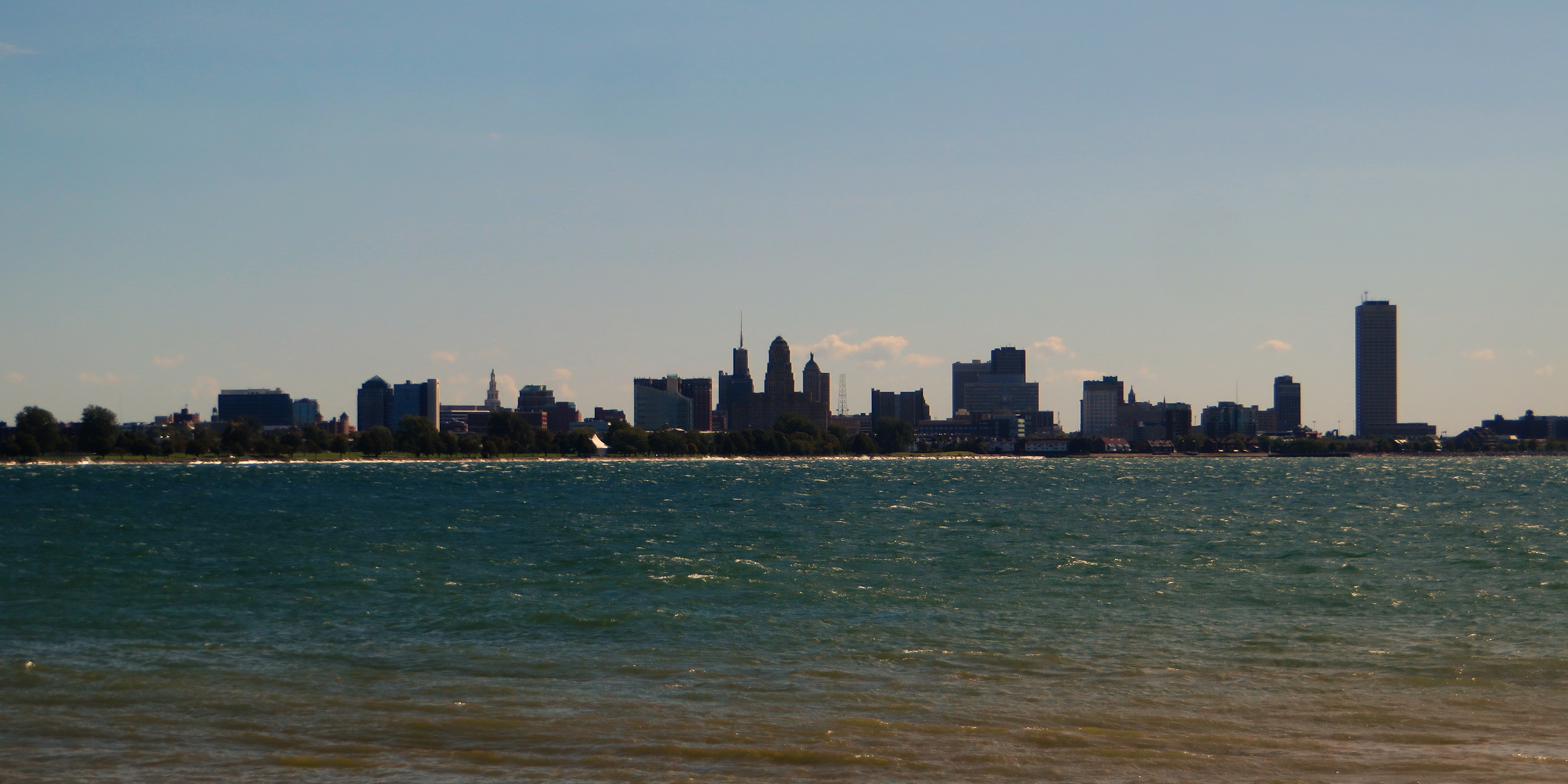
Buffalo’s live music scene has evolved dramatically since the early 20th century, reflecting both cultural shifts and the city’s own economic fortunes. From the flourishing jazz clubs along Broadway in the 1920s to today’s thriving mix of hip-hop, indie rock, and electronic music venues, Buffalo offers an immersive look at how live music shapes urban identity.
This evolution matters now more than ever. As Buffalo experiences growth fueled by new residents and investments in its waterfront and downtown districts, the local music scene is undergoing a renaissance that balances honoring its rich past with embracing new sounds and diverse communities. With many venues reopening or expanding following pandemic-related closures, live music is emerging as a vital force in Buffalo's cultural and economic recovery.
Roots on Broadway and the Rise of Local Hubs
In the 1920s and 1930s, Buffalo's Broadway Street was the beating heart of live music. Legendary venues like The Colored Musicians Club, established in 1917 in the city's West Side, became crucial gathering spots for African American jazz and blues musicians during the Harlem Renaissance era. The club still operates today, preserving this legacy and hosting live performances that connect past and present.
Fast-forward to the late 20th century, the Allentown neighborhood became synonymous with alternative and punk scenes, with venues such as Nietzsche’s that opened in the mid-1990s. More recently, the Lower West Side’s Town Ballroom has hosted national touring indie acts alongside local bands, while newer spaces like the Tralf Music Hall near Delaware Park continue that tradition, regularly drawing crowds from across Western New York.
Data Points and Declining Ticket Prices
Buffalo’s live music economy is showing signs of resurgence. According to a 2025 report by the Buffalo Niagara Convention Center, music events boosted local business revenues by nearly 15% over the last two years. Tickets at major venues like Town Ballroom average around $30 for headline acts, significantly lower than prices in cities of similar size such as Rochester or Syracuse. This affordability is attracting younger audiences and fostering a supportive environment for emerging artists.
Moreover, the city's annual Summer Soul Festival, launched in 2018 at Canalside, drew an estimated 20,000 attendees last year, cementing Buffalo's place on the regional music festival map. The festival, alongside long-established events like Thursday at the Square in Chippewa District, provides free and affordable access to live performances, broadening community engagement.
Nonprofit organizations also play a key role in nurturing talent. Programs like Music is Art in downtown Buffalo provide state-of-the-art rehearsal spaces and mentorship to youth musicians, ensuring the next generation contributes to the city’s dynamic music culture.
Looking Ahead: Venues, Community, and Access
Local stakeholders are focused on preserving and expanding Buffalo's live music infrastructure. The recently announced Buffalo Music Venue Loan Program aims to provide grants and low-interest loans to venue owners for renovations and soundproofing, helping them meet noise ordinances without sacrificing show quality. This comes after several mid-sized venues faced closures due to rising rents and stricter regulations.
For music fans, the best way to support the scene is by attending shows at diverse venues such as the historic Colored Musicians Club on Michigan Avenue and the contemporary 40 Watt Club on Elmwood Avenue. Season passes and early ticket purchases can provide financial stability for venues and artists alike. With Buffalo’s tradition of community-driven music firmly intact, the city looks poised to continue nurturing its live music scene well into the future.