culture
Tracing the Roots and Renewal of Buffalo’s Theater Scene
From venues on Elmwood Avenue to the rise of new performance companies, Buffalo’s theater culture reflects decades of transformation and resilience.
How we reported this
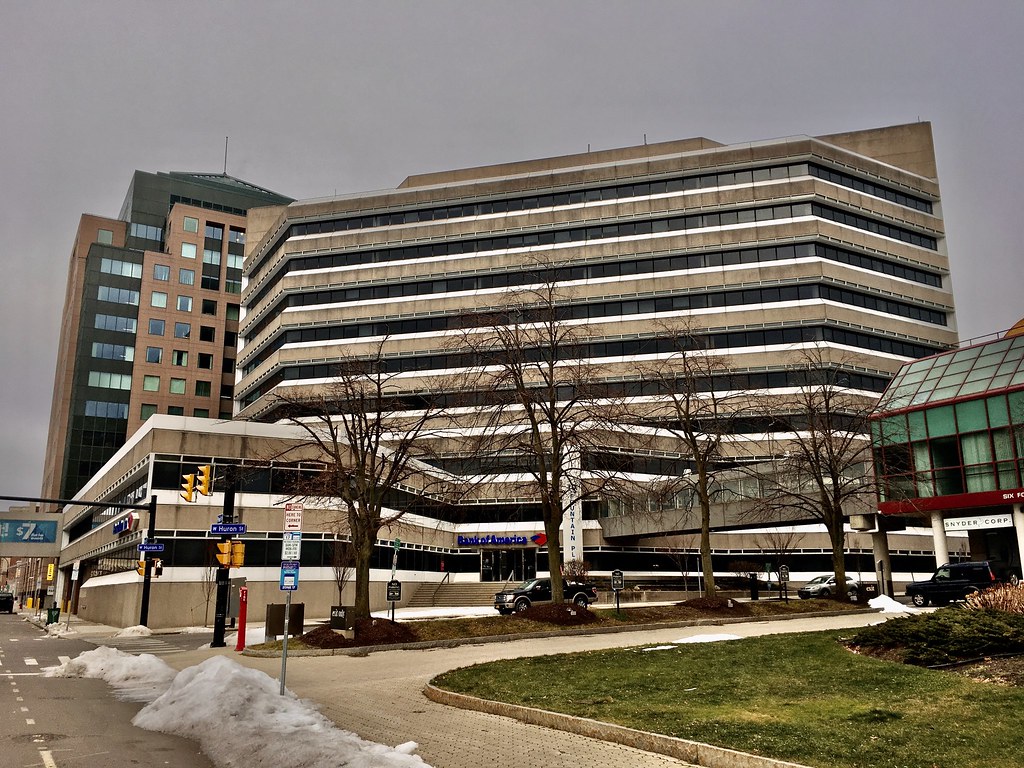
Buffalo’s theater and performance scene has been quietly reinventing itself over the past century, evolving from modest neighborhood stages to robust cultural hubs drawing national attention. With the recent reopening of Shea’s Performing Arts Center after a $40 million restoration, the city’s theatrical landscape is poised to celebrate both its rich past and dynamic future.
Historic Theaters Anchoring Buffalo’s Cultural Revival
Founded in 1926, Shea’s Performing Arts Center remains Buffalo’s crown jewel, standing as a testament to early 20th-century opulence in theater design. Located on Main Street in downtown Buffalo, Shea’s has been central in attracting touring Broadway productions and cultivating local talent. The full restoration completed last year included upgrades to seating, lighting, and acoustics, ensuring it remains competitive with theaters in larger metropolitan areas.
Aside from Shea’s, the Alleyway Theatre on Buffalo’s west side has exemplified grassroots growth. Since its founding in the early 1980s at 31st and Elmwood Avenue, this intimate venue has championed contemporary plays and nurtured emerging playwrights in Western New York. Its consistent production of new work has turned the Alleyway into an incubation spot for innovation within the regional theater circuit.
Data Reflects Growing Engagement and Investment
A 2024 report from the Buffalo Niagara Film and Performing Arts Commission recorded a 15% increase in theater attendance citywide over five years, with over 150,000 tickets sold at local venues annually. This surge aligns with Buffalo’s broader cultural renaissance, following decades of industrial decline. Ticket prices in 2026 average $50 for major productions at Shea’s and $25-$35 for smaller shows at venues like the Alleyway and Rachael’s Theatre Company on Elmwood, making theater increasingly accessible.
Public and private investments have also invigorated Buffalo’s theatre infrastructure. The City of Buffalo’s Cultural Development Fund dedicated $3.5 million last year to support performing arts organizations, while local universities such as the University at Buffalo have expanded arts programs, enriching the talent pipeline that feeds the city’s stages.
Moreover, the rise of neighborhood-based ensembles like Ciminelli Real Estate’s sponsorship of the annual Elmwood Avenue Arts Festival highlights how theater remains intertwined with community identity and economic revitalization efforts in areas once hit hard by urban shifts.
As Buffalo’s theaters embrace the digital age with virtual streaming options alongside live performances, the scene displays a willingness to adapt and innovate. For locals curious about getting involved, upcoming workshops hosted at the University District’s BUSTOS Theater Company offer beginner acting classes and behind-the-scenes technical training starting this September.
Looking ahead, Buffalo’s theater performers and audiences can anticipate more experimental collaborations prompted by cross-disciplinary funding, including planned partnerships between the Buffalo Philharmonic Orchestra and regional theater groups. This evolving mix underscores how Buffalo’s theater history informs its present momentum while shaping cultural offerings for the 21st century.