lifestyle
Buffalo’s Community Spirit: What Sets This City Apart Globally
From revitalized neighborhoods to grassroots programs, Buffalo’s unique social fabric fosters a rare sense of belonging and support.
How we reported this
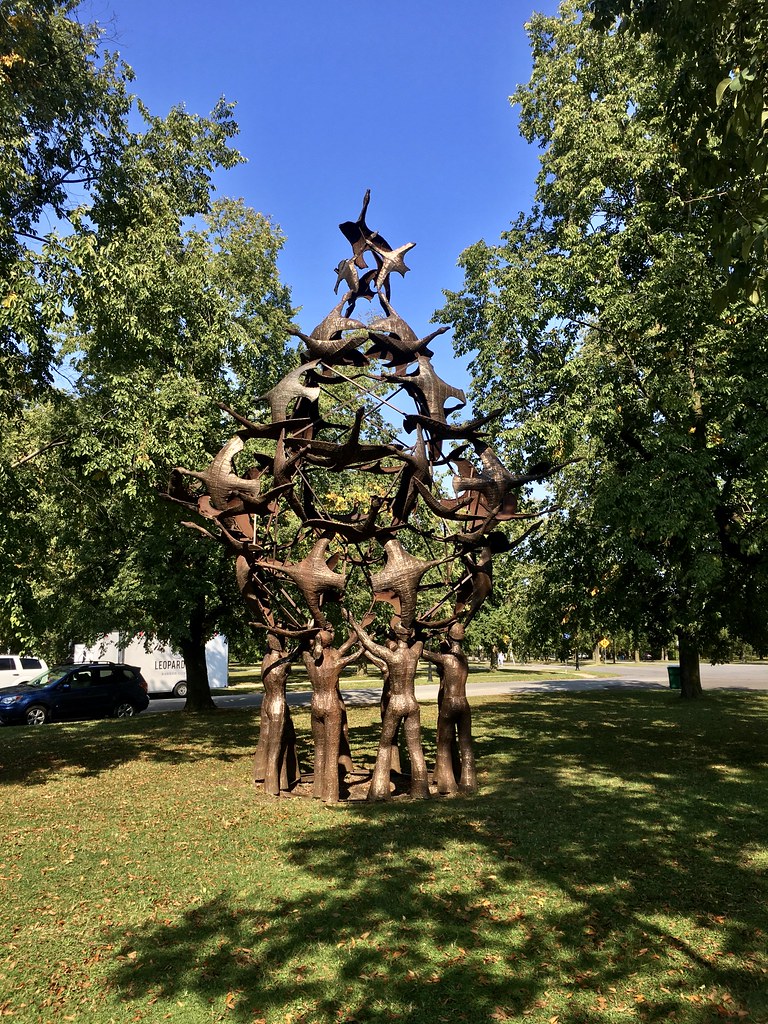
Buffalo’s distinctiveness on the world stage lies in its deeply rooted community relationships, shaped by a history of resilience and collaborative revitalization efforts. Unlike many cities grappling with urban fragmentation, Buffalo’s neighborhoods actively engage to maintain strong social ties, making it a standout example of community cohesion.
In a time when many urban centers face the challenges of gentrification, displacement, and social isolation, Buffalo’s commitment to preserving community connections is increasingly vital. The city’s population, which has hovered near 270,000 after decades of decline, reflects concerted efforts to nurture inclusive neighborhoods where residents actively participate in shaping their environment.
Local Anchors Supporting Community Bonds
Two emblematic examples of Buffalo’s communal spirit are the West Side Bazaar and the University District’s neighbor-driven initiatives. Located on Grant Street, the West Side Bazaar is more than a marketplace; it’s a cultural hub where immigrant entrepreneurs, local artists, and residents converge, fostering economic empowerment alongside social interaction. This space exemplifies how commerce and community intertwine to strengthen relationships across diverse groups.
Similarly, the University District Community Development Association (UDCDA) works to revitalize Elmwood Avenue and surrounding streets through programs that encourage homeownership, local business support, and cultural events. Their monthly community meetings at the Buffalo History Museum emphasize inclusivity and grassroots participation, reinforcing the city’s identity as a place where civic involvement is paramount.
Data Reflects Buffalo’s Distinctive Social Fabric
Recent studies underscore Buffalo’s impressive community engagement levels. According to a 2025 report from the New York State Community Development Office, Buffalo ranks in the top 10% statewide for neighborhood association membership and participation rates, with an estimated 45% of residents participating in local groups or volunteering at least monthly. This far exceeds the national urban average of 29%, highlighting Buffalo’s unique social connectivity.
Moreover, housing prices in Buffalo remain comparatively affordable, with the median home price around $120,000 as of early 2026, according to the Buffalo Niagara Association of Realtors. This accessibility helps sustain multi-generational households and long-term residents who actively invest in their neighborhoods’ social capital, a sharp contrast to the rapid turnover seen in pricier cities.
Community-oriented events such as the annual Elmwood Avenue Festival and the Allentown Art Festival further enhance relational ties, drawing tens of thousands each year to interact and celebrate local culture. These activities not only support local economies but preserve Buffalo’s distinct blend of urban and small-town atmospheres.
Moving forward, residents and city planners alike face the challenge of balancing revitalization with inclusivity. Maintaining affordable housing, supporting immigrant-owned businesses, and expanding public spaces like the Canalside waterfront area will be critical in preserving the networks that make Buffalo exceptional.
For those looking to engage, opportunities abound: volunteering with the Friends of the Buffalo & Erie County Public Library, joining local block clubs on Hertel Avenue, or participating in community clean-up days organized by Buffalo Niagara Riverkeeper can all help deepen connections.
Buffalo’s model offers valuable lessons for global cities struggling to rebuild community ties. Its continuing story is one rooted in relationship-building, practical grassroots efforts, and an enduring commitment to neighborhood resilience.