lifestyle
Parenting in Buffalo: The Cost, Access, and Everything You Need to Know Before Going
A comprehensive guide to navigating childcare, education, and family activities in Buffalo's modern urban environment.
How we reported this
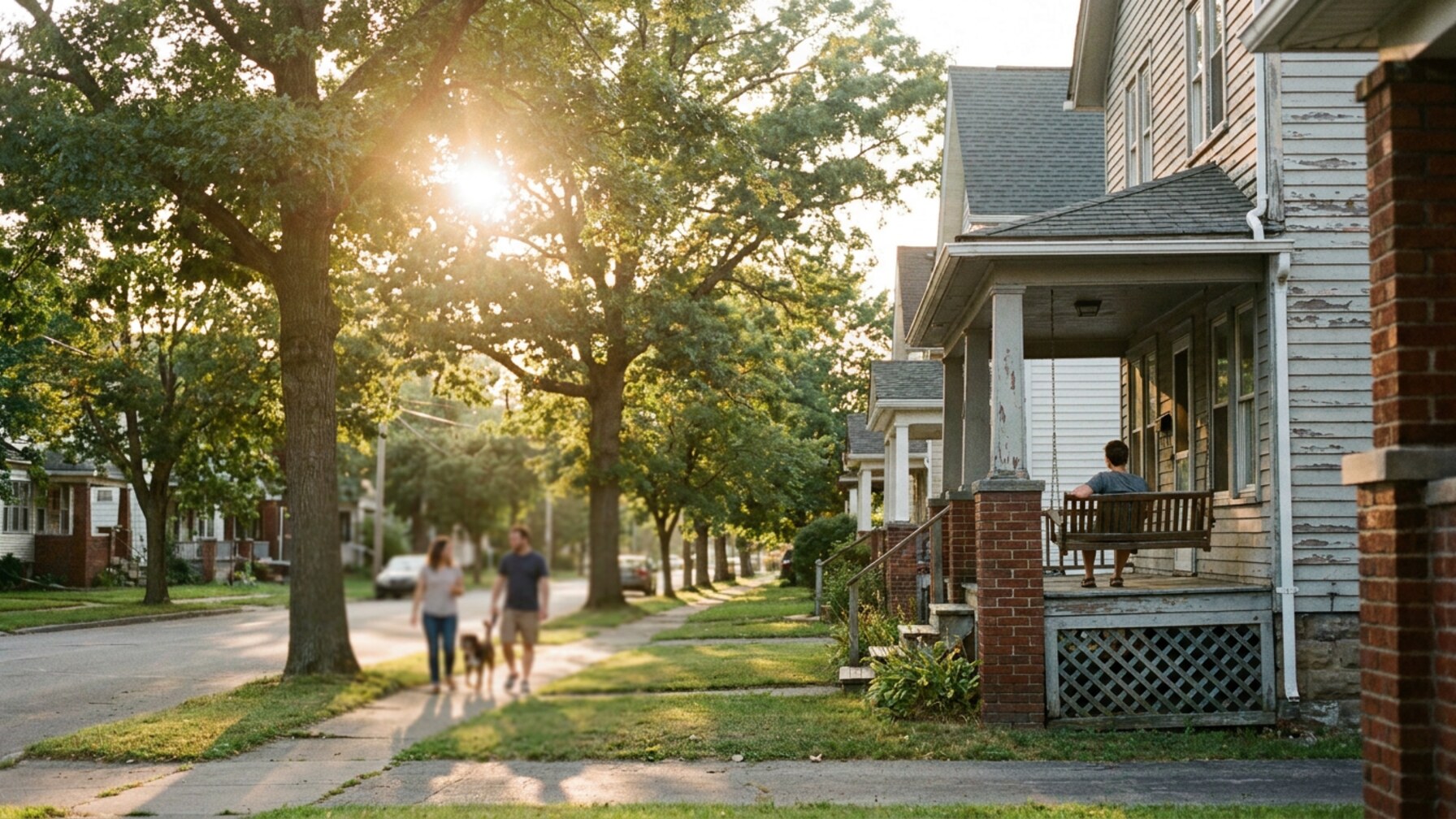
Parents in Buffalo face a complex landscape as they strive to balance cost, access, and quality when it comes to raising children in one of New York State's largest cities. From daycare to after-school programs, knowing where to turn and what to expect is crucial for families navigating these crucial decisions.
Why Parenting Challenges Are Front and Center Now
Buffalo is experiencing a notable shift in its family demographics and economic pressures. With childcare costs rising nearly 5% annually and more parents returning to work post-pandemic, demand for accessible, affordable services has surged. The recent expansion of the Niagara Frontier Transportation Authority's routes to include more stops near child-centered facilities further highlights the importance of convenient access. Moreover, the Buffalo Public Schools district has seen a modest rise in enrollment, drawing attention to the need for reliable after-school programming and early childhood education options.
Local Resources: Where to Turn in Buffalo
Parents looking for quality childcare can explore options like the Early Childhood Education Center on Elmwood Avenue, operated by Buffalo Promise Neighborhood, which offers sliding scale fees and community support services. For after-school activities, the Boys & Girls Club of Buffalo’s main branch on Fillmore Avenue provides affordable programming from 3-6 pm, with scholarships available for qualifying families. Additionally, efforts by the Erie County Department of Social Services have led to increased funding for summer camps and enrichment programs in neighborhoods such as Allentown and North Buffalo.
Transportation access can be a hurdle, but new Metrolinx bus lines and partnerships with local nonprofits mean some families now benefit from subsidized rideshares and bus passes, reducing logistical burdens.
Data on Costs and Access
According to a 2026 report from the Child Care Council of Western New York, the average monthly cost for full-time daycare in Buffalo stands at $950 for infants and $780 for toddlers, modestly higher than the statewide average. Public pre-K programs can alleviate some financial strain but have limited seats-Buffalo Public Schools report only 3,200 available slots for roughly 5,000 eligible 4-year-olds in Erie County. Waitlists remain substantial.
In terms of play and enrichment, many local museums and centers have introduced family passes that range from $50 to $120 annually, like the Buffalo Museum of Science’s family membership. These can be cost-effective ways to incorporate educational outings into busy schedules.
Survey data also indicates that approximately 40% of Buffalo parents experience challenges with evening or weekend care, highlighting a gap in services for working families with nontraditional hours.
Planning Ahead: What Buffalo Parents Should Know
Families preparing to move to or remain in Buffalo should prioritize early research-waiting lists for popular childcare providers like Child & Family Services’ centers on Hertel Avenue can reach six months. Applications for public pre-K and subsidy programs open in August each year, with spots assigned on a first-come, first-served basis.
Budgeting realistically is key; factoring in childcare costs and transportation will help plan overall family expenses. Buffalo’s growing network of family-focused nonprofits, including Mothers Against Senseless Killings and the Buffalo Parent Network, offer support, resources, and community connections that can ease the parenting journey.
Finally, with Buffalo’s ongoing investments in parks and green spaces, such as enhancements to Delaware Park and newly revamped playgrounds in neighborhoods like South Buffalo, parents have more accessible options for free or low-cost outdoor activities. This diversification of available resources reflects Buffalo’s commitment to fostering a city that supports both children and their caregivers.