lifestyle
Buffalo Gardeners Combat Clay Soil: Mid-Summer Maintenance Guide
Mid-summer maintenance tips for navigating the challenges of clay soil and local climate conditions.
How we reported this
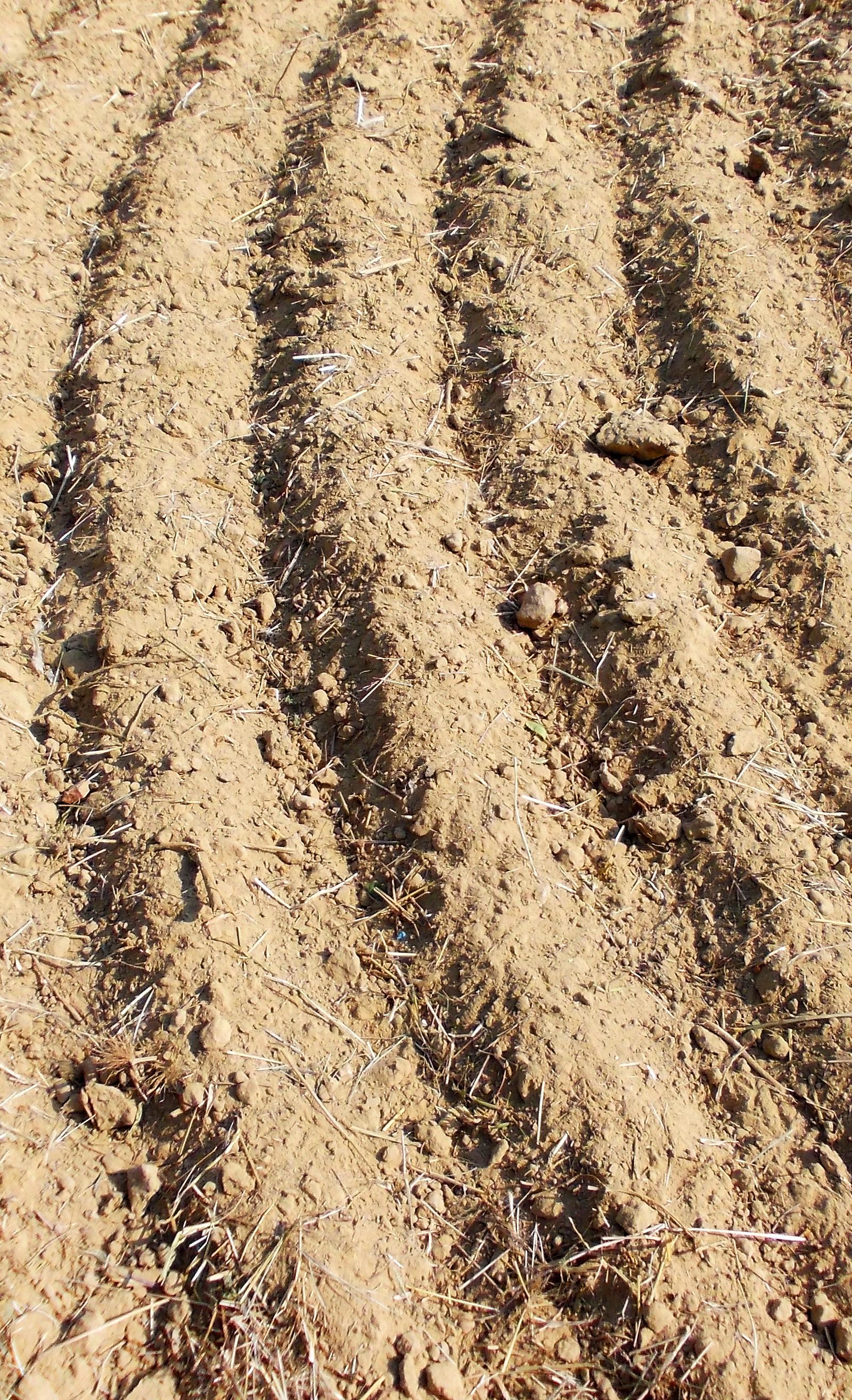
For gardeners across Buffalo, the month of July is a critical window for stabilizing and maintaining the home landscape. As the city sits in USDA Hardiness Zone 6a, with some areas classified as 6b, the unique characteristics of our local soil require a deliberate and consistent approach to ensure greenery thrives despite the challenges of heavy glacial lake clay.
Managing Soil and Water Quality
The foundation of a successful Buffalo garden lies in addressing the limitations of our regional soil. Because this heavy clay drains poorly, local garden experts recommend either installing raised beds or performing annual compost additions of 2-3 inches to improve soil health for plant growth. Maintaining the moisture levels of these gardens is equally vital; professional guidance suggests watering thoroughly once a week to a depth of 5-6 inches. To protect the integrity of the soil and prevent excessive evaporation, gardeners should always time their watering sessions for the early morning or late evening hours, ensuring the soil has a chance to dry out between each application.
Mid-Summer Maintenance Strategies
With warm-season vegetable crops already established in the ground as of mid-July, the focus now shifts toward yield optimization and plant health. For those cultivating fruit trees, proper thinning is essential to the health of the harvest; gardeners are advised to leave one fruit every 6-12 inches on the branches. Furthermore, to enhance the fruiting potential of tomato and pepper plants, the application of Epsom salts has been identified as an effective practice. Beyond the vegetable patch, managing perennials and woody plants remains a key priority. Applying a 3-4-inch layer of mulch is essential for regulating soil temperature, retaining necessary moisture, and suppressing unwanted weeds. Consistent grooming, such as removing dead flowers from perennials, will further encourage new growth throughout the remainder of the summer season.
Selecting Resilient Native Plantings
Building a landscape that resonates with Buffalo’s climate involves a strategic focus on native species. Recommendations from local landscape specialists emphasize that approximately 70% of a garden's composition should consist of native plants such as hostas, ferns, and panicle hydrangeas, which are well-suited to our environmental conditions. For those looking to incorporate tender annuals, it is important to remember the local rule of thumb: wait until Memorial Day in late May to begin planting to ensure that the risk of frost damage has fully passed, protecting your investment for the summer ahead.