news
Buffalo Residents Navigate Infrastructure Projects Reshaping Neighborhoods Daily
Community members express diverse views on how ongoing infrastructure work is reshaping neighborhoods and daily life.
How we reported this
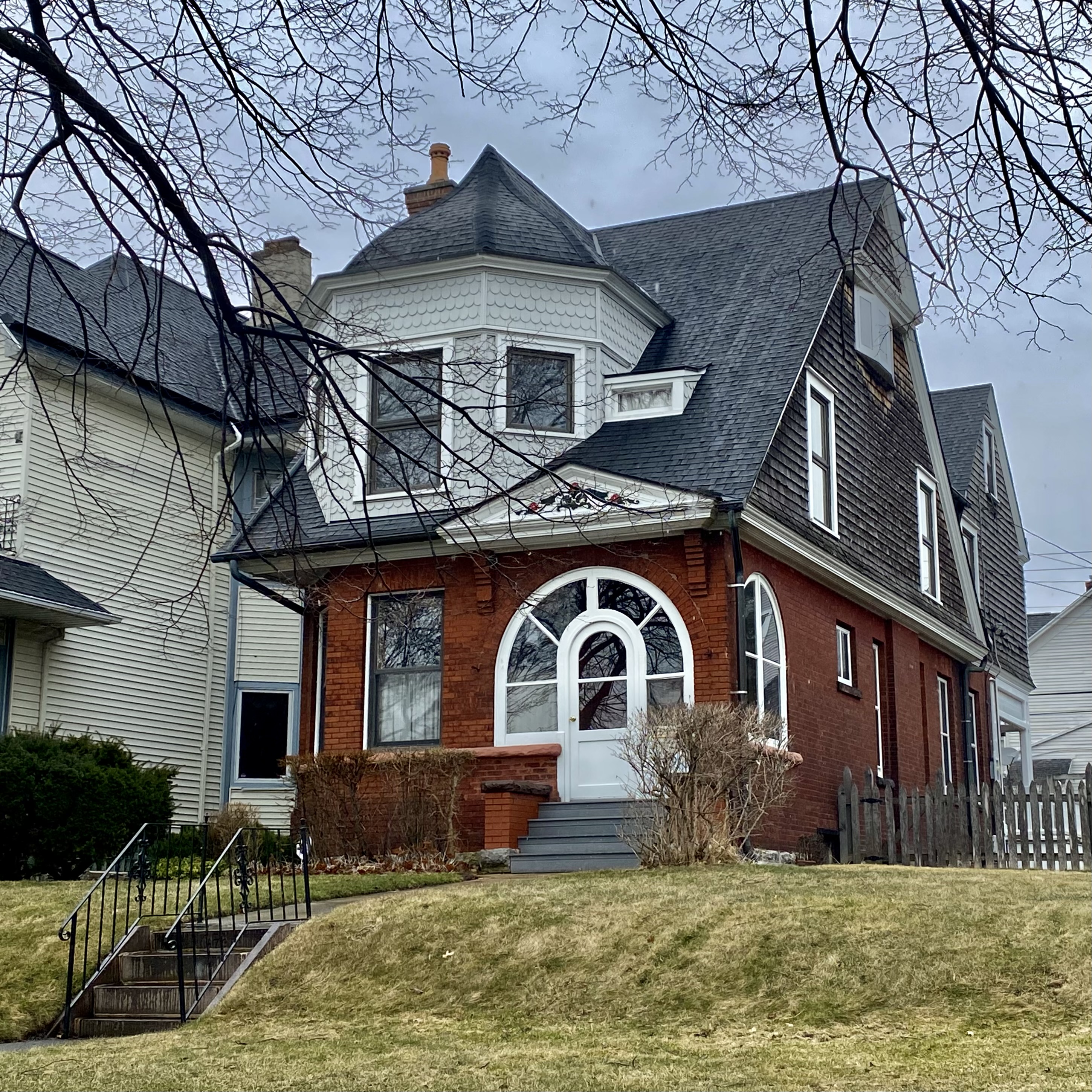
As Buffalo undertakes various infrastructure projects across the city, residents in affected neighborhoods are voicing a mix of frustration and cautious optimism. The construction efforts, aimed at modernizing streets and utilities, are changing daily routines and raising questions about long-term impacts on local communities.
Balancing Disruption and Development
Infrastructure work is often a double-edged sword. For many Buffalo residents, the presence of construction crews and equipment disrupts traffic, complicates commutes, and sometimes limits access to homes and businesses. In communities near ongoing projects, residents describe frequent detours and noise that affect their quality of life. However, these frustrations coexist with an understanding among some locals that improved roads, upgraded utilities, and better public facilities could enhance the city’s livability and economic vibrancy over time.
Community members emphasize the importance of clear communication and timely updates from city officials to reduce uncertainty. Neighborhood groups have begun organizing forums to discuss project timelines and advocate for equitable consideration of all districts, especially those historically underserved.
Voices from the Neighborhoods
In areas where infrastructure upgrades are underway, residents speak about the tangible effects on their day-to-day activities. Some parents report changes in school bus routes and schedules, while small business owners worry about reduced foot traffic and delivery challenges. Conversely, others appreciate visible improvements such as repaved streets and enhanced lighting that contribute to a safer environment.
Conversations with local community organizers reveal a focus on ensuring that infrastructure projects include input from affected residents and take into account accessibility for elderly and disabled individuals. The city’s planning and public works departments are reportedly engaging with neighborhood associations, but residents note that these interactions could be more frequent and transparent to build trust.
While no specific project metrics or timelines are cited, the qualitative feedback underscores the complex relationship between urban development and community experience. The balance between immediate inconvenience and future benefit remains a key topic among Buffalo’s diverse population.
Looking ahead, residents are encouraged to stay informed through official city channels and participate in public meetings to voice concerns and suggestions. Advocacy groups advise maintaining dialogue with elected representatives to ensure that infrastructure investments truly address local needs and contribute to inclusive growth.