news
Buffalo Traffic Congestion Rise Sets Up Key Decisions on Roads and Transit
A 25% increase in congestion, focused on Interstate 90, leaves city leaders facing choices on funding, Metro Rail service and alternatives like Reddy Bikeshare.
How we reported this
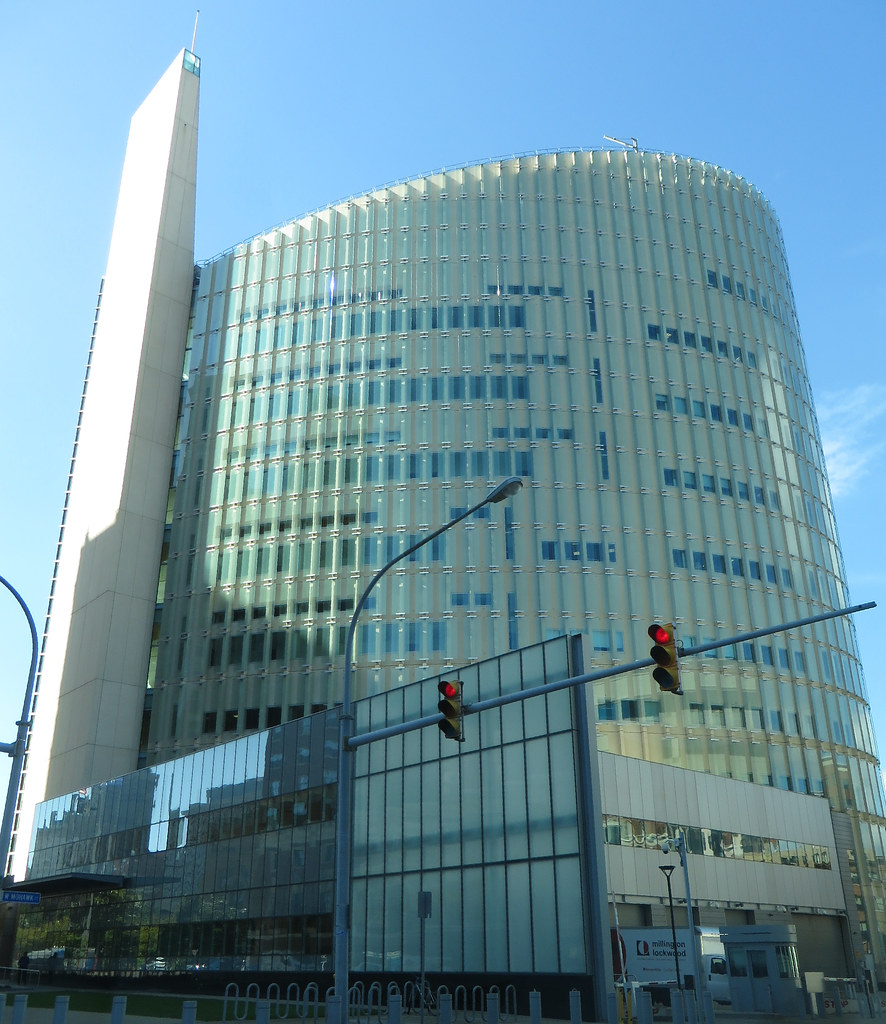
Traffic congestion in Buffalo has increased by 25%, with the largest jump occurring on Interstate 90. This rise comes as automobile use remains the dominant mode of travel even though public transit options exist.
Why the increase matters now
The jump adds to annual costs for drivers who already lose about 40 hours per year in traffic and spend an average of $932 on lost time and fuel. At the same time, 40% of major roads in the Buffalo-Niagara Falls area are rated poor or mediocre because of funding shortfalls. These conditions affect daily commutes and access to major routes including I-90 and I-690.
Transit services on the table
The Buffalo Metro Rail runs a 6.4-mile single line from downtown Erie Canal Harbor to the University at Buffalo South Campus. Travel is free above ground in the downtown area but requires a small fare for underground sections past the Theatre District. NFTA Metro Bus service covers nearly every city street corner and serves areas outside the rail line. As of mid-June 2026, single-tracking above ground between Church and Canalside stations has lengthened waits to every 20 minutes on that segment. Public transit carries an estimated 94,000 riders daily and accounts for 12% of commute trips, even though 30% of households own no vehicle.
Key decisions ahead
City and regional officials must decide how to allocate limited funds between road repairs and transit improvements. Options include expanding carpooling permits that already reduce downtown vehicle volume, supporting Reddy Bikeshare, and maintaining walkable infrastructure in the downtown core. Buffalo Niagara International Airport continues to handle about five million passengers a year with 85 daily nonstop flights, while the Buffalo-Exchange Street Amtrak station, rebuilt in 2020, provides another arrival point. The choices made on these programs will shape how residents and visitors move through the city in the months ahead.