Politics
Buffalo Voters Decide Millions in School and Neighborhood Funding Today
Local referendums on July's ballot will redirect millions across city services, with schools and neighborhood initiatives set for significant changes depending on the outcome.
How we reported this
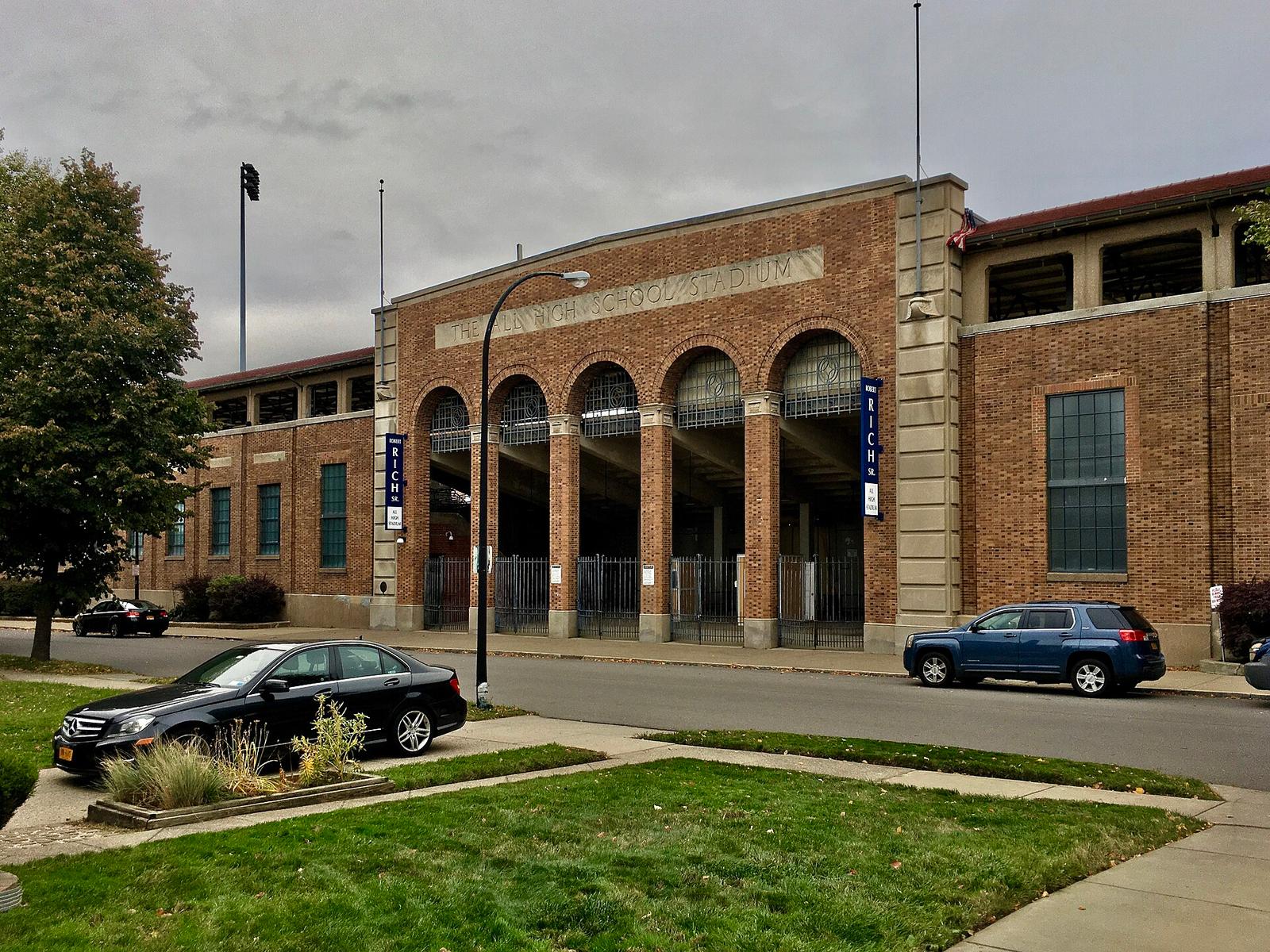
Buffalo residents heading to the polls this month face a series of referendums that will determine how tens of millions of local dollars are spent and which neighborhoods and groups will benefit. Proposed ballot measures include a $42 million school facilities bond, new rules for neighborhood block grant eligibility, and changes to tax credits for local homeowners. The outcome will affect school renovations, affordable housing, and community development grants throughout the city.
High Stakes for Schools and Neighborhoods
This July's ballot comes as Buffalo Public Schools report that over 30 campuses need urgent facility upgrades. The proposed bond issue would provide funding for new HVAC systems, roof repairs, and expanded technology labs, according to the Board of Education's June 11 capital project overview. If passed, the measure is projected to start work at PS 31 Harriet Ross Tubman School and East Community High as early as November. If the bond fails, local officials say only basic health and safety repairs could proceed under the existing maintenance budget.
The second major referendum would update the Community Development Block Grant (CDBG) formula used to distribute $14.6 million in annual federal funds across Buffalo neighborhoods. Under the new criteria, census tracts with rising poverty and vacant properties would gain priority. Policy analysts say this could shift grant eligibility away from some West Side neighborhoods and toward Broadway-Fillmore and parts of Lovejoy, areas where more than 28% of residents live below the federal poverty line, per the latest Census Bureau figures. Community groups in more affluent tracts have raised concerns about losing access to long-standing programs, such as youth employment stipends and park renovations, if the measure passes.
Practical Effects for Residents
Actual impacts will depend on the combination of outcomes. If both measures are approved, schools in Frank E. Merriweather, Jr. and Fillmore districts are set to receive their first major capital infusion since 2018. About 5,200 students would be affected by upgraded labs, air conditioning, and safer playgrounds, based on Board estimates. At the same time, residents in some East Side blocks could see more after-school programs, new sidewalks, and renovated storefronts funded by redirected CDBG grants. Conversely, homeowners in Elmwood Village and North Buffalo may see a pause or reduction in city-backed façade improvement subsidies, according to the Department of Community Services allocation charts issued last week.
A third measure, if adopted, would expand property tax credits for first-time homebuyers, potentially benefiting up to 1,800 households annually, according to the city budget office. However, the additional credits would be funded by reducing city contributions to the general resilience grant fund, which helps cover heating costs for seniors and low-income residents during peak winter months.
Data, Dollars, and the Path Ahead
According to the 2026-27 Buffalo Municipal Budget, the school bond would raise residential property taxes by an estimated $33 per $100,000 of property value for the average homeowner, starting in 2027. City data also confirm that the new CDBG scoring formula would redirect at least $1.9 million in annual grants, with most gains accruing to census tracts east of Main Street. The property tax adjustment is projected to increase homeownership rates by up to 2.6 percentage points among buyers aged 25 to 35, based on models cited by the Urban Policy Institute.
Official results are expected within one week of polling day. If any measure passes, the departments overseeing the funds must finalize award procedures and notify affected organizations by August 15, as required by Buffalo City Charter Section 24C. Residents can review copies of the full referendum texts on the City Clerk's website or at the downtown library through July 19, with ballots available for early voting starting July 12. As policy analysts remind, each measure carries trade-offs, with resources newly available to some neighborhoods and services potentially reduced for others depending on voters’ choice.