Politics
Buffalo Common Council Approves Lead Service Line Replacement Expansion, Affecting Water Costs for 4,200 East Side Homes
The July 7 ordinance directs $8.5 million in combined funds to replace pipes in targeted neighborhoods, with initial work projected to reach 1,100 properties by the end of 2027.
How we reported this
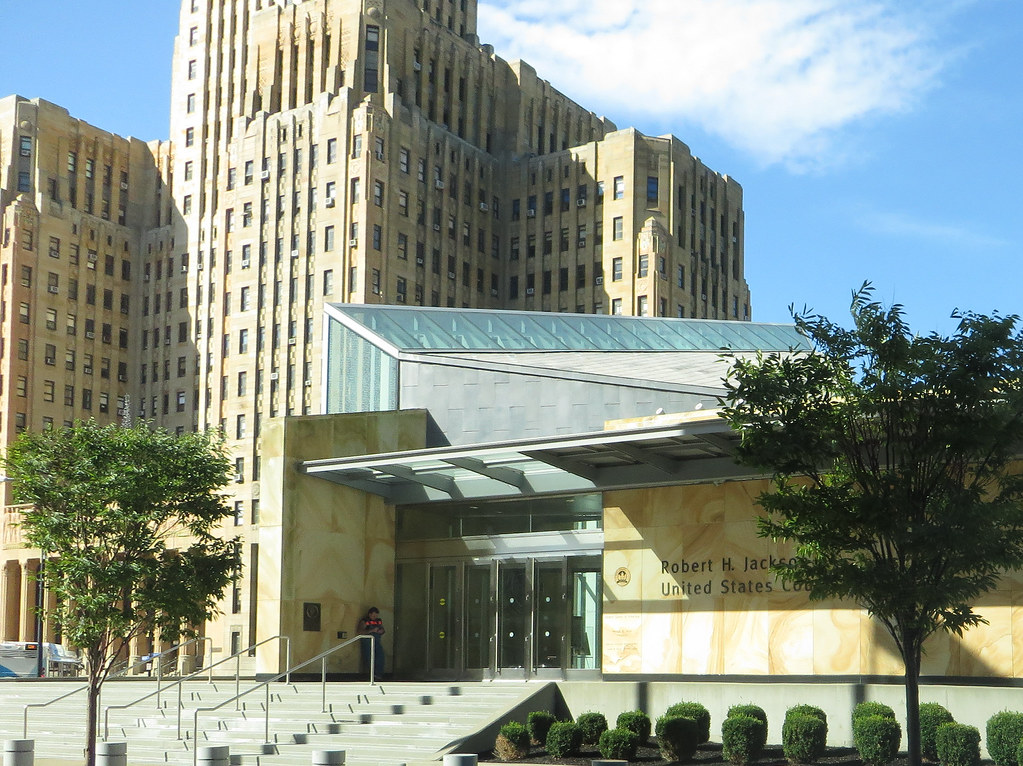
The Buffalo Common Council voted 7-2 on July 7 to expand the lead service line replacement program, authorizing $8.5 million drawn from the city's capital budget and federal infrastructure allocations to replace pipes serving 4,200 residential addresses primarily in the East Side and Broadway-Fillmore areas.
Context for the July 7 Vote
The measure follows the city's 2025 water quality testing cycle, which identified elevated lead readings in older housing stock built before 1950. City records show that 62 percent of the targeted addresses lie within census tracts where median household income falls below $42,000, according to the most recent American Community Survey data incorporated into the council's briefing packet.
For Buffalo residents, the ordinance means that qualifying homeowners will not face the full out-of-pocket expense of private line replacement, which the Department of Public Works currently lists at an average of $4,800 per property. Instead, the program will cover 100 percent of costs for income-eligible households and 75 percent for others, with repayment options spread over ten years through a utility surcharge capped at $18 monthly.
Local Experts and Resident Input
Policy analysts at the University at Buffalo's Regional Institute note that the funding formula aligns with the city's 2024 capital improvement plan, which projected a $22 million shortfall for full citywide replacement by 2035. Local advocates note that the new allocation will prioritize blocks already scheduled for road resurfacing, reducing the chance of repeated street cuts within five years.
Erie County Department of Health data from 2025 recorded elevated blood-lead levels in 87 children under age six living in the East Side zip codes 14211 and 14212. The expanded program is expected to reach 60 percent of those households within the first 18 months of construction, according to the timeline submitted with the legislation.
Implementation begins with a request-for-proposals process scheduled to open August 1, followed by contractor selection in October. The first replacements are projected to start in September 2026 on blocks where both public and private lines require work, with quarterly progress reports required at subsequent council meetings.