Politics
Buffalo Education Policy Overhaul Reshapes Community Support Services for Families
Recent education policy shifts in Buffalo are projected to reshape social services and community support for families and children.
Listen in English · 4 min
How we reported this
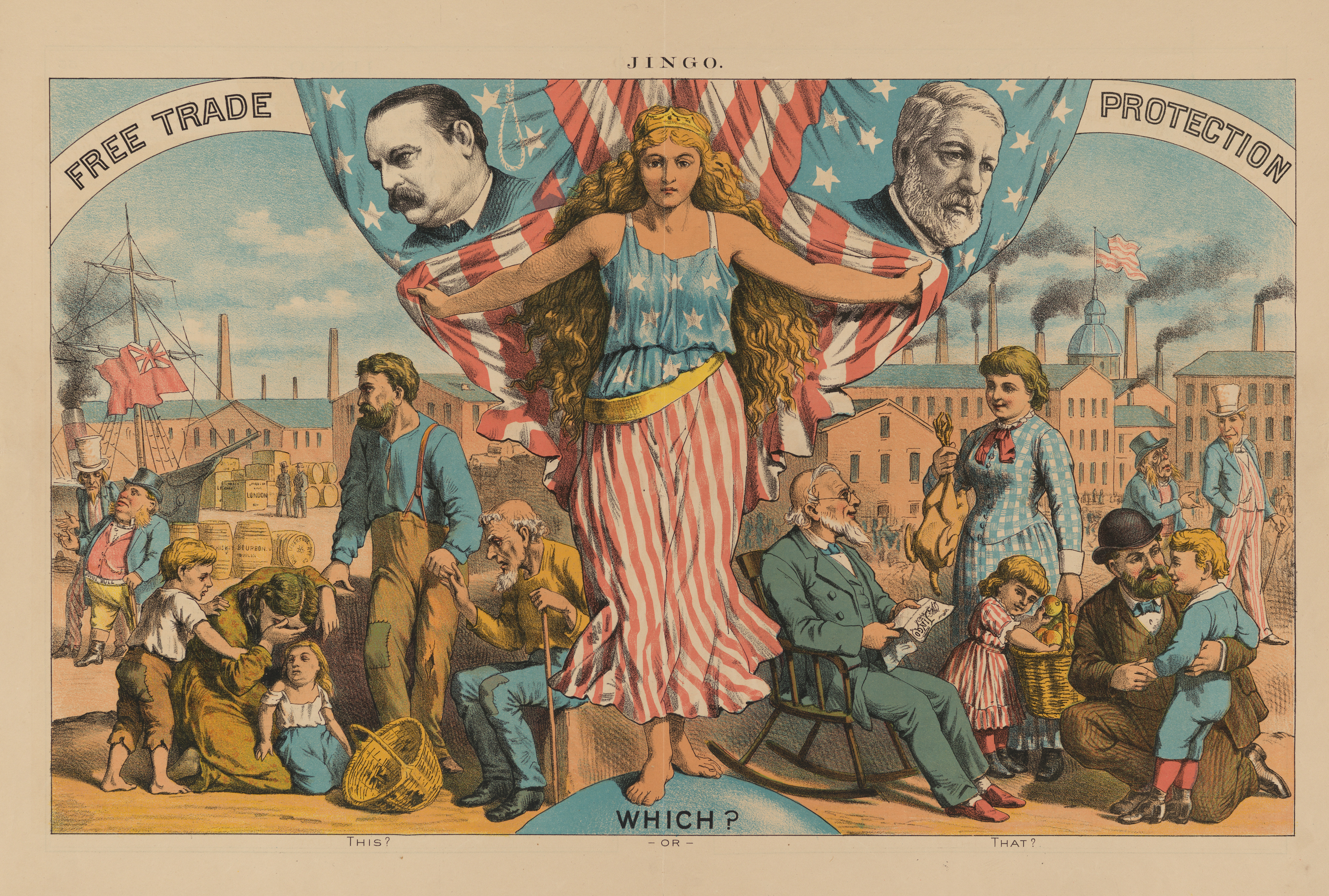
The City of Buffalo is undergoing education policy changes that will directly affect community services and local social impacts. These adjustments involve modifications in program funding allocations and service delivery frameworks intended to support students and families through school-connected resources.
Education is a critical sector for Buffalo, given its diverse population and pockets of economic challenge. The need for enhanced student support services has been a persistent concern for policymakers and community stakeholders alike. Recent policy movements respond to these local priorities by aiming to streamline resources and extend support beyond traditional classroom instruction.
Impacts on Local Services and Families
The policy revisions are expected to influence how community organizations partner with schools to provide wraparound services. Buffalo families relying on in-school counseling, after-school programs, and family engagement initiatives may notice changes in availability or delivery methods. For example, social support programs that address mental health, nutrition, and homework assistance are integral to many Buffalo neighborhoods and their success depends on funding and administrative coordination influenced by education policy.
Local social service providers will need to adjust to new requirements or eligibility criteria tied to school-based programs. This may affect clients’ access to services such as referral networks and crisis intervention, which are strongly interconnected with the educational system. The overall goal articulated by city and school officials is to better integrate educational outcomes with community health and well-being, although the transition period may involve some logistical challenges.
Community Context and Looking Forward
Buffalo’s demographic profile and economic conditions make education-linked social programs particularly significant. Many families depend on schools as hubs for accessing comprehensive services. As the city implements these education policy changes, community leaders stress the importance of monitoring how altered programming impacts vulnerable populations, including low-income households and children with special needs.
While specific funding details or timelines for rollout were not part of publicly available documents, the government's stated intention is for these policies to foster stronger community-school partnerships. Stakeholders will be watching closely how the approach translates into practical support on the ground-whether it means enhanced coordination among agencies or streamlined access for residents.
Officials have indicated ongoing engagement with educators, social workers, and families to adapt the new policies in a way that minimizes disruptions while maximizing benefits. The coming months will be critical for assessing implementation effectiveness and making necessary adjustments to support Buffalo’s commitment to education and community welfare.