Politics
Buffalo Implements Zoning Changes to Lower Housing Costs for Residents
Recent zoning changes in Buffalo aim to expand affordable housing options and reduce daily expenses for local residents.
How we reported this
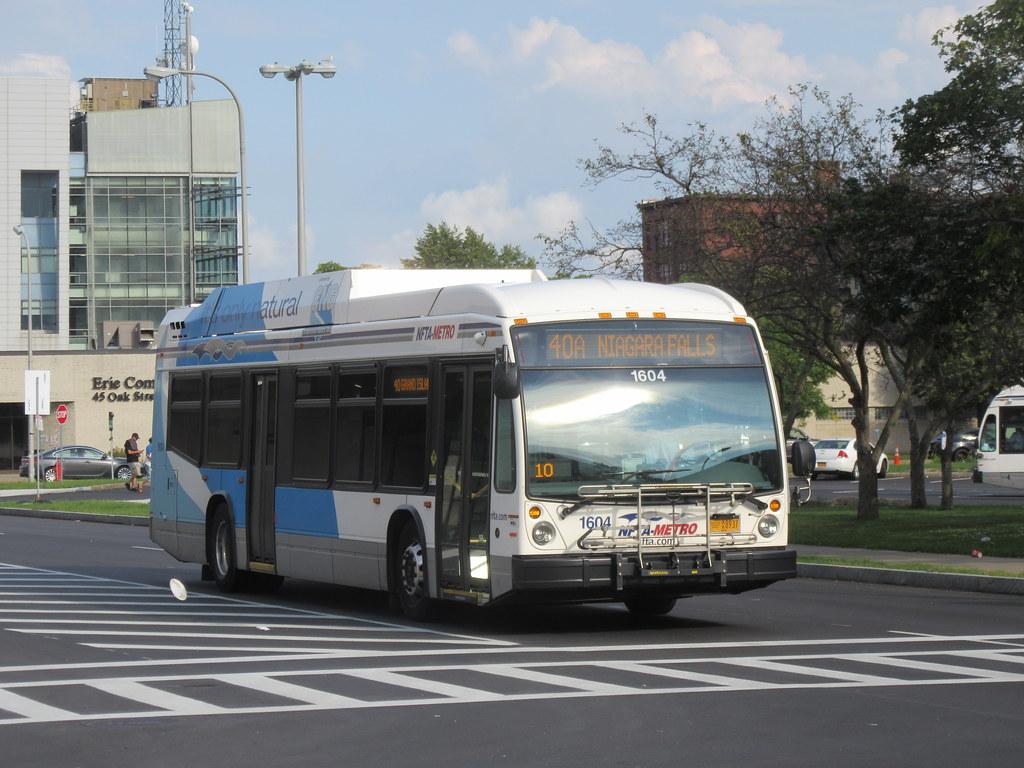
Buffalo city officials have approved a set of local planning decisions that will alter zoning regulations to permit more mixed-use developments and increase affordable housing stock across several neighborhoods. These changes apply primarily to residential zones in areas including the Black Rock and Hamlin Park districts, targeting household budget relief for lower- and middle-income families facing rising living costs.
Amid a national surge in inflation and growing economic pressures on urban dwellers, local planning has taken on a new urgency. Buffalo households have struggled with higher utility bills, transportation costs, and housing expenses in recent years. The city’s decision to loosen restrictions on multi-family dwelling units and allow more neighborhood commercial enterprises is designed to address these affordability challenges.
Implications for Buffalo Residents' Daily Budgets
For residents, the planning amendments could translate into reduced commuting times and costs, as new mixed-use projects bring services closer to home. For example, allowing grocery stores and pharmacies within walking distance in residential neighborhoods could limit reliance on personal vehicles or extended transit rides, lowering monthly spending on fuel and transit fares. Additionally, expanding affordable housing units is projected to lessen rent burdens, currently averaging 35 percent of income for many households according to the Buffalo Housing Opportunity Agenda (2025 report).
The policy changes also permit smaller lot sizes for new residential developments, enabling more cost-efficient construction and potentially lowering home prices or rental rates. This is expected to benefit families on fixed or limited incomes, including seniors and young professionals. Local advocates note that by diversifying housing options, the city is aiming to reduce spatial economic segregation and improve access to jobs and services.
Data Behind the Planning Decisions and Next Steps
The Buffalo Department of City Planning cites data from the American Community Survey showing a 12 percent increase in households spending over 50 percent of income on housing between 2020 and 2024. Furthermore, a 2026 city budget report allocates $15 million towards infrastructure improvements to support the new mixed-use zones, including enhanced sidewalks and public transit connections.
The next phase involves rezoning implementation slated for the fall of 2026, accompanied by public consultations in affected neighborhoods. Developers will be invited to propose projects aligned with the new guidelines before the end of the year. City officials have stated that the impact on local property taxes will be monitored to ensure affordability gains are maintained without unforeseen cost shifts for current residents.
Overall, these planning reforms mark a step towards mitigating the cost-of-living pressures that Buffalo families currently face by reshaping the local urban environment to align housing and services more closely with household budgets.