wellness
Buffalo Instructors Share 5-Minute Breathing Techniques That Instantly Reduce Stress
Buffalo wellness instructors say a handful of simple breathing exercises can short-circuit the body's stress response in under five minutes, no app, no studio, no gear required.
How we reported this
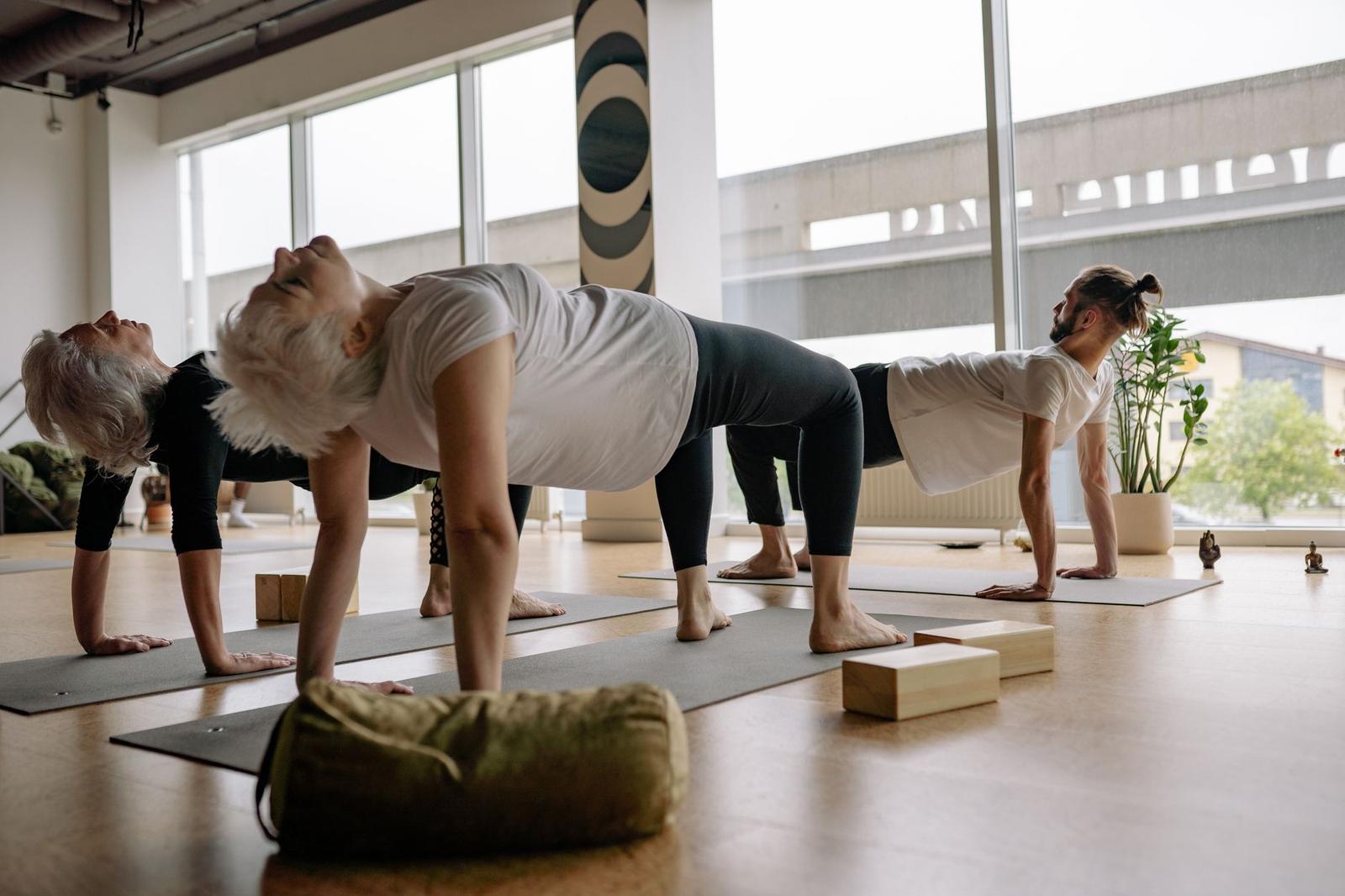
Three deep, controlled breaths can cut measurable cortisol activity within 90 seconds, according to research published in the journal Psychophysiology in 2023. That single fact is reshaping how Buffalo's growing wellness community talks about stress management, and it's prompting instructors across the city to move breathwork out of the yoga studio and into everyday life.
The timing matters. Chronic stress has been building as a public health concern well before this summer, but disruptions to routine, whether transit failures, financial pressure, or the relentless scroll of bad news, have pushed demand for fast, accessible coping tools to new levels. Mental health counselors at the nonprofit Crisis Services of Erie County, which operates out of offices on Elmwood Avenue, report that calls about anxiety-related distress have risen in each of the past three years. Breathwork is increasingly part of the practical toolkit they point clients toward between sessions.
The Techniques That Actually Work
The most researched technique remains box breathing, sometimes called four-square breathing. Inhale for four counts, hold for four, exhale for four, hold again for four. The U.S. Navy SEALs have used it in training for decades; cardiologists note it activates the parasympathetic nervous system, slowing heart rate within minutes. It requires nothing except a quiet 90 seconds, a park bench on Delaware Avenue, a car in the Tops Friendly Markets parking lot on Elmwood, a bathroom stall at One Seneca Tower.
A second technique gaining traction locally is physiological sighing, a double inhale through the nose followed by a long, slow exhale through the mouth. Stanford neuroscientist Andrew Huberman's lab published findings in 2023 showing this pattern reduces self-reported anxiety faster than mindfulness meditation or box breathing alone in short-burst tests. Instructors at Buffalo Yoga Center on Hertel Avenue have begun opening Tuesday evening classes with two rounds of physiological sighing specifically because students arrive stressed from work commutes along the 198 corridor.
A third option, the 4-7-8 method developed by integrative medicine physician Dr. Andrew Weil, asks practitioners to inhale for four counts, hold for seven, exhale for eight. It's slower and demands more focus, which makes it better suited for a lunch break than a mid-meeting panic attack, but practitioners say five rounds before a difficult conversation can meaningfully lower perceived stress.
Where Buffalo Is Taking This Seriously
Elmwood Yoga & Wellness, at the corner of Elmwood and Forest, added a six-week Breathwork Foundations workshop to its fall 2025 schedule and sold out all 18 spots within 72 hours at $145 per participant. The studio is running the program again starting August 4, 2026, with a waiting list already open online. Across the city, Buffalo Prenatal-Perinatal Network has incorporated guided breathwork into its community health education sessions held at the Fruit Belt neighborhood center on Carlton Street, targeting residents in one of the city's most economically stressed ZIP codes, 14211.
The data behind these programs isn't soft. A 2024 meta-analysis in Frontiers in Human Neuroscience reviewed 45 controlled trials and found that slow-paced breathing, defined as fewer than 10 breath cycles per minute, produced statistically significant reductions in both systolic blood pressure and self-reported anxiety scores. Participants needed as few as five minutes of practice per day over two weeks to see lasting effect. That's about the length of a walk from the Albright-Knox Northland building to the corner of Best Street.
For anyone in Buffalo wanting to start without paying for a class, the prescription is uncomplicated: pick one technique, set a phone timer for three minutes, and do it at the same point in your day, ideally before the mid-afternoon slump that typically arrives between 2 and 3 p.m. Many instructors suggest pairing it with a walk along the Olmsted-designed ring of Delaware Park, where the combination of greenery and controlled breathing appears to compound the calming effect. Research from the University at Buffalo's Department of Psychology suggests natural environments amplify the parasympathetic response triggered by slow breathing.
As always, anyone dealing with persistent anxiety, panic disorder, or related symptoms should talk to a licensed mental health professional or primary care physician before relying on self-directed techniques alone.